


















Monitoring & alerting
Monitor control plane, nodes, core components, capacity and agreed workloads with actionable alerts.
Updates & lifecycle
Test and update Kubernetes versions, operating systems and platform add-ons in a planned way.
CVE & hardening
Classify vulnerabilities, assess exposure and coordinate measures based on risk.
Backup & restore
Monitor backup jobs, handle failures and test recovery at agreed intervals.
Incident response
Qualify alerts, isolate causes, apply runbooks and manage escalations transparently.
Capacity & improvement
Review resources, costs, technical debt and recurring problems regularly.
Managed Kubernetes: take over and operate existing clusters
WZ-IT audits, stabilizes and operates Kubernetes platforms with a clearly defined scope. Monitoring, updates, CVEs, backup and incident response become one coherent lifecycle.


Baseline assessment
Responsibility starts with a known current state
A running cluster can contain unknown dependencies, outdated components and untested recovery paths. Before assuming operations, we create visibility and prioritize the required stabilization work.
Inventory & architecture
Capture distribution, versions, nodes, add-ons, workloads, access, dependencies and provider responsibility.
Make operating state visible
Review monitoring, logging, alerting and capacity before defining response commitments.
Verify recovery
Assess etcd, persistent data, configuration and application backups, including the restore path.
Agree boundaries
Control plane, nodes, platform add-ons, workloads, databases and application receive clear owners.
Day-2 operations
What managed Kubernetes covers day to day
The exact scope is agreed for each platform. These capabilities provide the framework for reliable operations.
In addition to the cluster, applications need defined processes for delivery, access, observability, recovery and technical ownership.
Delivery
GitOps, CI/CD, separate environments, approvals and reproducible rollbacks.
Network
CNI, network policies, ingress or gateway, DNS, TLS and private access.
Security
OIDC, RBAC, secrets, image validation, policies and traceable changes.
Observability
Metrics, logs, traces, alerting and SLOs for platform and applications.
Backup & restore
Cluster state, persistent data, restore tests and a documented recovery path.
Lifecycle
Updates, CVE assessment, capacity, costs and an agreed operating model.
Takeover process
Move from audit to regular operations with control
The transition follows a documented process with an accepted state and agreed scope.
Discovery
Capture access, inventory, architecture, providers and existing processes.Risk baseline
Prioritize critical versions, single points, security and recovery gaps.Stabilization
Bring monitoring, backups, updates, access and documentation to a minimum standard.Service definition
Agree scope, maintenance windows, response, escalation and responsibilities.Regular operations
Monitor, maintain, respond, report and evolve the platform with control.Starting pointOngoing operations
Responsibility model
Three ways to work together
The agreed scope can range from cluster support to operating selected applications. Infrastructure, Kubernetes platform, add-ons, data and workloads are listed as separate responsibility layers.
01
Build & handover
- WZ-IT builds or stabilizes the platform, documents it and hands it over to your operations team.
For teams with their own Kubernetes responsibility
02
Co-managed platform
- Responsibility is divided by layer, for example WZ-IT for cluster and platform while your team owns applications.
For teams building responsibility incrementally
03
Fully operated platform
- WZ-IT continuously owns the agreed platform scope; applications and business approvals remain clearly separated.
For companies without their own platform team
Kubernetes in the overall system
Clusters, applications and operating locations are planned as one production platform
Kubernetes can run on Proxmox, bare metal, European cloud or existing managed services. What matters is how workloads, data, networking, delivery and ongoing ownership work together.
Configure Kubernetes operationsView hybrid operationsClusters and workloads
The control plane, nodes, add-ons and applications are separated through explicit ownership.
Data and locations
Cloud networks, Proxmox, local systems and external services connect in a controlled way.
Platform operations
Upgrades, monitoring, backup, restore and incident response are agreed as an ongoing scope.
Agree operating services separately
Service commitments are agreed explicitly
Monitoring, alert handling, response times, support windows, on-call service and recovery objectives are separate service components. The agreed scope is recorded in the operating model and service level.
Shared-responsibility matrix for infrastructure, cluster, add-ons and workloads · Maintenance, response and escalation processes aligned with the selected service level · Backups become reliable only through monitored jobs and tested restore paths
Frequently asked questions
Clear answers on architecture, delivery, responsibilities and ongoing operations.
- A takeover always starts with discovery and an audit. Severely outdated, undocumented or unstable environments need a stabilization phase first. We then decide which operating scope can be responsibly assumed.
- Typical capabilities include monitoring, updates, CVE assessment, backup control, restore tests, incident response and capacity reviews. The concrete scope and responsibility for workloads and databases are defined contractually.
- Continuous monitoring and support or response times are separate services. Available service levels and support windows are agreed according to criticality; 24/7 on-call support is not automatically promised with every operations package.
- Yes, existing managed Kubernetes platforms can be taken over. The cloud provider remains responsible for its service components while WZ-IT handles the agreed cluster, add-on and workload scope.
- That depends on the agreed model. Platform and application operations are described separately. Because WZ-IT also provides software development, we can assume additional application responsibility if desired, but it is never implied.
- That depends on access, documentation, versions, criticality and known problems. Initial scoping is followed by an audit that defines effort, stabilization work and a realistic transition plan.
Knowledge base
In-depth guides for this building block
Knowledge base
One platform. Six entry points.
Select infrastructure and operating model deliberately
Reviews & projects
Operations that visibly relieve customers
Customer feedback on monitoring, updates, maintenance, support and stable production systems.
WZ-IT moved our studio infrastructure from decentralised individual devices to a central platform: every site is securely connected via VPN, new devices are onboarded automatically and an entire site is provisioned from a template, without manual steps on location. What impressed me most is the breadth and depth of their knowledge: Timo and Robin are not a typical IT provider who sets up a server and leaves. The two of them think their way into highly complex infrastructure and software topics, work through every requirement we put in front of them, and build networking, provisioning and operations so that everything fits together in the end. WZ-IT is an excellent partner for complex software, network and architecture projects.
 Steve KirchnerManaging Director, nextGYM GmbH
International
Built in Germany's Ruhr Valley. Running worldwide.
WZ-IT designs, develops and operates infrastructure and software for clients in Germany and internationally. We deliver projects remotely and continue supporting them in ongoing operations after go-live.
Selected projects
- LiveRemote access platform for distributed water treatment plantsABCO Water Systems · Australia · Secure Access & OT

- 81%AWS migration with substantially lower operating costsEVA Real Estate · UAE · Cloud exit & infrastructure

- 98%Provision new sites in minutes instead of hoursnextGYM GmbH · Germany · Automation & IoT
Read client reviews
- Secure your Proxmox & backup setup
- Virtualize with Managed Proxmox
- Build a high-availability Proxmox cluster
- Modernize your infrastructure - sovereign
- Plan a sovereign open-source stack
- Integrate a local AI solution
- Modernize your legacy software
- Cut cloud cost - up to −81%
- Design an open-source AI architecture
- Get collaboration fully managed
- Ship your prototype to production
- Connect sites and clusters securely
Enquiry
Which cluster should be taken over?
Tell us the distribution, infrastructure and current problems. We will propose the right entry point for audit and stabilization.
- Straight with Timo and Robin - no sales team, no pitch
- A professional assessment of your situation
- Concrete next steps for infrastructure, software or AI
The conversation is free and non-binding.
WZ-IT's advice on our Azure migration was technically sound and completely non-binding right from the intro call - we took away a great deal.
 Jakob ÖschlbergerInno7 GmbH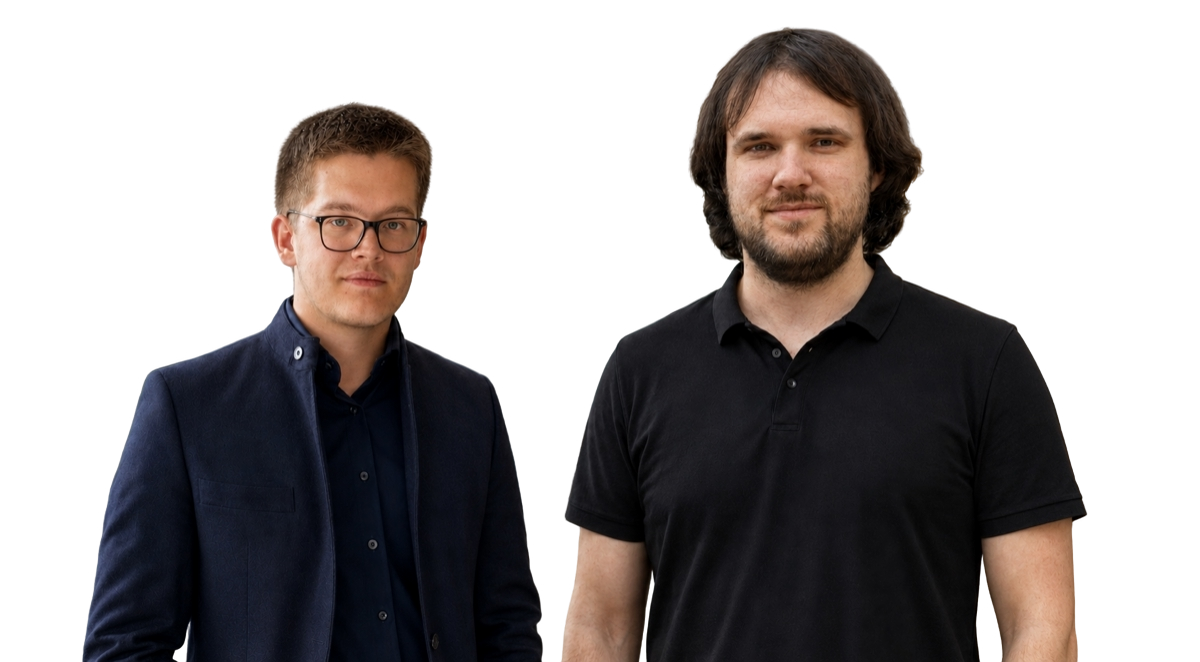
WZ-IT's advice on our Azure migration was technically sound and completely non-binding right from the intro call - we took away a great deal.